All posts by admin

treatments

Scoliosis: Causes, Symptoms and Treatments

Scoliosis, or curvature of the spine, often occurs when children are just entering puberty, which is a stressful enough time without also having to deal with a physical limitation. The cause is not always known, although rarer forms are connected to injury, muscular dystrophy or cerebral palsy. Yet through a range of treatments, including physical therapy, scoliosis does not have to be disabling — or even noticeable.


What are warning signs of scoliosis?

In general, a lack of alignment in the upper body may indicate that a child has scoliosis. Specifically, if one hip and/or or one shoulder looks higher than the other, or one shoulder blade seems to be more easily discernible than the other, scoliosis may be a factor.


In more advanced cases, back pain, a pronounced curve in the spine, or ribs that stick out noticeably on one side, can be a scoliosis indicator. Difficulty in breathing may occur, as your ribs press against one or both lungs.


What are common treatments for scoliosis?

Children with moderate and severe cases of scoliosis will probably need more intervention than physical therapy alone. Bracing is common for moderate scoliosis. A severe case — or one which is treated after most growing has occurred — may call for surgery.


In mild cases, however, physical therapy may be enough. PT can additionally augment more aggressive treatment for moderate and severe cases.


How does physical therapy help scoliosis patients?

Your physical therapist can help you retrain your body to function more effectively with your particular alignment issues. In addition, physical therapy for scoliosis increases your range of motion, as well as builds strength in parts of your body which have been weakened through misalignment.


PT is also useful for scoliosis patients who have muscles and joints which have stiffened over time. Through massage therapy, your physical therapist will ease this tension, while redirecting movement. Electric stimulation, ice and heat applications can also be beneficial for back pain and stiffness issues.


It’s never too late to begin scoliosis physical therapy. Call Rehability Physical Therapy today for a consultation and treatment plan suggestions.


Sources


http://www.moveforwardpt.com/symptomsconditionsdetail.aspx?cid=44c972bb-9690-4505-99f2-0a4c6d1a41a4

http://www.mayoclinic.org/diseases-conditions/scoliosis/home/ovc-20193685
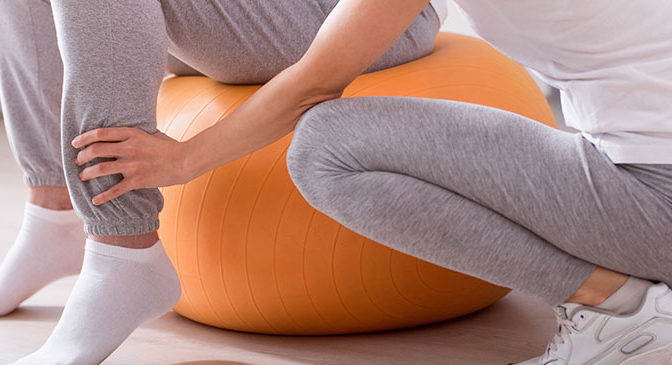
surgery

Why physical therapy is important after you have surgery

In the weeks leading up to surgery, the most feared words after “anesthesia” and “hospital” are “physical therapy.” For many people, the anticipation of any pain that goes along with physical therapy is enough to keep them from stepping foot into a PT’s office after surgery. In reality, the only way back to full recovery after surgery is through a physical therapist.

Physical Therapy Aids Healing

Like it or not, physical therapy is vital to the healing process. Not only do stretches and strengthening exercises help a person regain balance, control and range of motion in the area where surgery was performed, it allows a trained medical professional to regularly view the area in question. Problems with an incision or wound can be spotted and addressed by a physical therapist long before they are severe enough to bother you. Physical therapy can also speed your recovery along as you strengthen surrounding muscles, learn compensatory strategies in the short term and begin reusing the limb or joint. Likewise, it can address pain without medication through the use of massage, electrical stimulation, ice, and heat.

Balance & Range of Motion Matter

Most people understand that physical therapy can strengthen the area of the body that has been surgically repaired. What many people don’t realize is that physical therapy can also help a person regain their balance or range of motion in a joint or limb. For instance, if you have a total knee replacement, physical therapy will not only help you relearn how to walk on a titanium joint, it will help you regain your balance and flexibility to help you maintain your ability to stand, walk, jog, jump, or bike for years to come. Remember, physical therapy is not only about recovery, it is about setting you up for physical activity long after you have been released from care.

Breaking Up Scar Tissue is Painful

Those who are just too stubborn to step foot in a physical therapist’s office immediately after surgery will find that over time they lose their flexibility, range of motion and strength in the surgically repaired part of their body. Should they mend the error of their ways, they will likely find scar tissue build-up is preventing them from fully recovering. In order to begin working on that part of the body, the physical therapist must first work on breaking up the scar tissue to allow the joint or limb to begin moving the way it should. This process is not only grueling, it is often as painful as having the surgery itself. Fortunately, those who seek physical therapy as soon as they are permitted by their surgeon tend to experience less scar tissue and minimal pain as a result.

Physical therapy is a vital part of recovery after surgery. Not only can it help you heal faster, improve your flexibility and range of motion and minimize scar tissue development, it can help you manage pain levels without excessive use of prescription narcotics. If you need help with your recovery, give Rehability Physical Therapy a call to find out how physical therapy can help you return to an active lifestyle.


plantar-fasciitis

Plantar Fasciitis: What it is and How Physical Therapy Can Help

Nobody expects to feel stabbed when they get out of bed in the morning, but that’s exactly what people with plantar fasciitis experience the moment their heels touch the floor. Fortunately, there’s non-surgical help for this painful foot condition.


What is plantar fasciitis?

When the band of tissues nearest your heel bone become inflamed, those first steps in the morning can produce the telltale “stabbing” pain of plantar fasciitis. If the pain decreases as you continue walking, that’s another clue that plantar fasciitis is the culprit. The condition arises through small tears in the tissue in your feet (plantar fascia) that help absorb the shocks of walking and running.


Too much physical stress can overcome this tissue band’s ability to act as shock absorbers, and small tears appear, leading to inflammation and pain. Athletes are most likely to inflict this extra stress on their plantar fascia, but extra weight, long hours on your feet and even aging can also lead to plantar fasciitis.


How can physical therapy help?

Often physical therapy resolves foot pain from plantar fasciitis, without the need for medication or hospital procedures. You likely won’t need a large number of PT sessions, because many of the stretches can be done at home once you’ve mastered them.


Your physical therapist will show you how to flex and stretch the bottoms of your feet, developing the mobility that prevents inflammation in that crucial band of tissues. At home, these stretches are best done before you get out of bed in the morning, or at least when you’re off your feet.


Depending on your level of inflammation, we may also work your lower leg muscles for increased ankle and foot stability. Demonstrating the best way to tape your feet while you’re healing, and the best way to apply ice to the area, are other key ways our team helps you address your plantar fasciitis. Call Rehability Physical Therapy today so we can begin relieving you of your foot pain as soon as possible.


Sources


http://www.mayoclinic.org/diseases-conditions/plantar-fasciitis/home/ovc-20268392

http://www.moveforwardpt.com/symptomsconditionsdetail.aspx?cid=a2395ee9-08bb-47cc-9edc-1943e2fdbf2e

http://emedicine.medscape.com/article/308917-overview

TMJ

Don’t let TMJ Ruin Your Day! Get the Help You Deserve  

Hearing and feeling your jaw click isn’t comforting. On the contrary, it can be downright painful. Yet it is a constant reality for over 10 million Americans, who suffer with temporomandibular joint and muscle disorders (TMJ).


TMJ is marked by chronic jaw pain, difficulty chewing, and clicking and locking of the jaw. Many people with the disorder also experience frequent headaches, pain in their face or mouth, joint crackling, and muscle spasms.


The temporomandibular joint is a hinge that attaches the jaw to the temporal bones of the skull, which are located in front of the ears. This joint allows movement of the jaw back and forth and up and down, ushering in the ability to talk, yawn, and eat. When the functioning of this part of the body is hindered, it can make everyday activities difficult.


Causes of TMJ


Surprisingly little is known about temporomandibular joint and muscle disorders. Medical professionals do not know what causes the disorder, although there are several potential reasons it can develop. Some of these include:

  • injury to the jaw, neck, or joint
  • arthritis in the joint
  • grinding or clenching of teeth, which leads to tremendous pressure on the joints
  • stress, which results in a tightening of the jaw
  • movement of the soft cushion between the ball and socket of the joint.

Diagnosis


A diagnosis is usually made after a physical exam and health history review. The doctor or dentist will examine the jaw joints for clicking, popping, and tenderness, followed by a look at whether the jaw opens and closes as it should. An x-ray may be ordered to rule out other concerns, while an MRI or CT scan can provide a closer look at the positioning and bony details.


Treatment


Depending on the severity of a person’s condition, there are several treatment options. Home treatments may include hot and cold packs, a soft-food diet, and over-the-counter pain medications. Medical interventions may include:


Physical therapy

A physical therapist can provide oral exercises and massage to reduce the jaw pain associated with TMJ.


Dental appliances


A dentist can provide a splint or night guard that reduces the impact of nighttime clenching and grinding. A dentist can also replace missing teeth and use braces, bridges, or crowns to better align the bite.


Other treatment options include trigger point injections, TENS therapy, surgery, and radio wave therapy.


If you suffer from chronic jaw pain, you aren’t alone. Help is available. For non-invasive treatment, you can try physical therapy or at-home methods of pain relief. An oral surgeon, dentist, or orthodontist can provide more aggressive methods of treatment as well. Regardless of which route you go, it’s important to seek the help you deserve so that TMJ doesn’t ruin your day. Contact Rehability Physical Therapy and speak with our experts!


Sources:


https://www.nidcr.nih.gov/oralhealth/topics/tmj/tmjdisorders.htm

http://www.webmd.com/oral-health/guide/temporomandibular-disorders-tmd#1

sedentary

Do You Have a Sedentary Job? How to Stay Healthy and Fit Throughout the Week  

Do you find yourself sitting for the majority of the day? If you work at an office where you are confined to a cubicle, you may end up sitting for up to 10 hours a day. Not to mention going home and sitting on the couch after dinner. While it may not seem like too big of a deal, one hour of sitting reduces the production of fat-burning enzymes by as much as 90 percent. People who consistently stay seated in a chair at work are more likely to experience some sort of cardiovascular disease compared with those who have a active or laborious job.


Fortunately, there are ways to stay healthy and fit even if you stare at a computer screen for most of the day.


The Half-Hour Challenge


Set the alarm on your phone to go off every 30 minutes. When it sounds, spend two minutes doing a physical fitness activity. Some suggestions include:


  • Wall-sit for 30-second intervals
  • Push-ups
  • Sitting and standing in your chair repeatedly
  • Tricep-dips using the edge of your desk
  • Jog in place


Lunch Break Fitness


No matter how short or long your lunch break is, spend the first half of it walking or jogging and the second half eating. If you don’t want to go outdoors, or the weather won’t cooperate, try walking up and down the stairs or walk around the office and say hello to co-workers.


Toe Dance


Channel your inner Fred Astaire by tapping your toes while at your desk. Move your legs and feet in different directions for more momentum. Anything to keep the body moving!


Stand Up for Phone Calls


Whenever your phone rings, stand up before answering. Then stay standing until you hang up the phone. Use speakerphone if needed and if possible, pace while you are talking.


With these fitness exercises in mind, there’s no excuse to be sedentary at your desk job anymore. If after trying these suggestions you’re struggling to get up and go, contact Rehability Physical Therapy for a consultation. We’ll help you find the spring in your step again!


Sources:


http://www.nytimes.com/2012/12/02/business/stand-up-desks-gaining-favor-in-the-workplace.html

https://www.ncbi.nlm.nih.gov/pubmed/22818936